When you first lay eyes on a Maine Coon cat, you might mistake this gentle giant for a ferocious beast. But in reality, most Maine Coons are affectionate, laid-back sweethearts. Take a closer look at this unique breed. Maine Coons are the versatile felines of the cat world, perfectly suited for many households — though admittedly not all. Let’s explore if the Maine Coon cat breed is the right fit for you.
This article was sent out for review by leading cat breeders by the Lapa.shop website for purebred pet sales, so our information is not only reliable, but also objective, as it is based on a large sample of cats.
Maine Coon Cat Description: What Do They Look Like?
Let’s start with their striking appearance. While breed standards vary slightly across feline organizations, they all describe the same magnificent cat. Here is an overview in plain language for those without an expert eye.
The defining feature of the Maine Coon cat breed is their large, muscular body. They have a long, rectangular frame and an athletic build. It takes Maine Coon males a full 5 years to reach their ideal size and proportions (females mature around 2-3 years). Adult males typically weigh between 15-25 lbs, while females range from 10-15 lbs. As you can see, there’s quite a variation — Maine Coons prioritize overall balance over sheer size.
Their immense size has earned some Maine Coons records in the Guinness Book of World Records for traits like longest fur (19 inches), heaviest weight (35 lbs), and longest body length (51 inches).
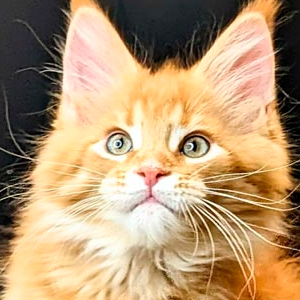
Maine Coons have large, expressive eyes that are slightly oval-shaped and angled toward the ears, but not overly slanted. Their ears should be set high on the head between 11 and 1 o’clock when viewed from the front. The iconic ear tufts are a bonus, but not a requirement.
Their head is medium-sized with a square, gently curved muzzle. The chin should be firm without protruding too much. And then there’s that gloriously long, thick tail — often equal in length to their body!
Many consider ear tufts to be a mandatory breed trait of the Maine Coon. Customers who contact Lapa.shop often try to identify a purebred Maine Coon by this characteristic. But in reality, ear tufts are not a mandatory breed trait — they are simply a nice bonus. Not all purebred Maine Coons have ear tufts, although their presence is still desirable. Lack of ear tufts does not lead to disqualification from cat shows.
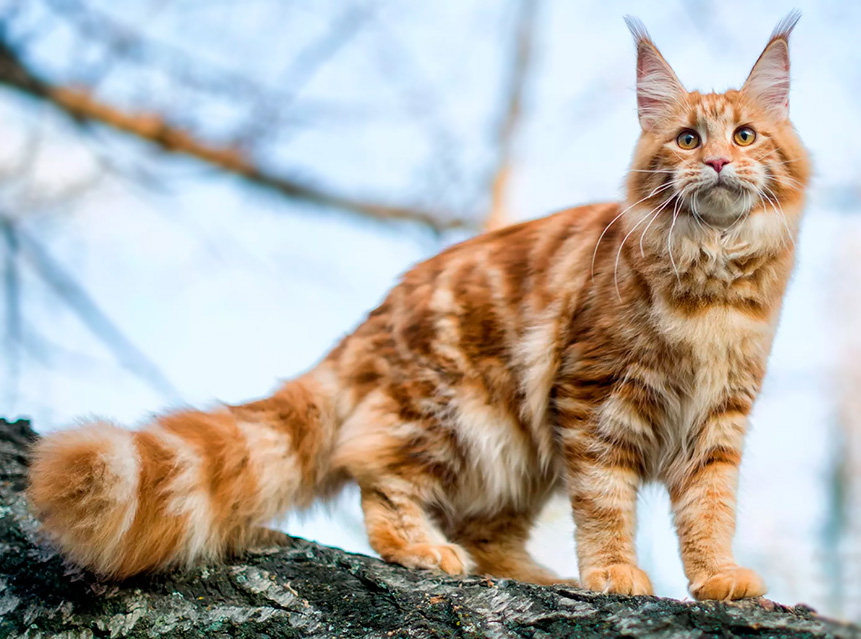
Here is an example of what a Maine Coon cat that meets the breed standard looks like.
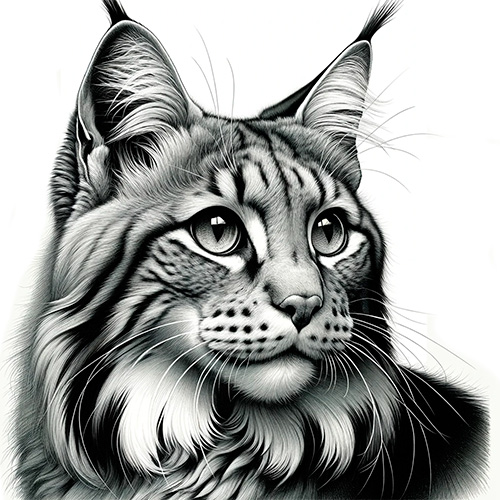
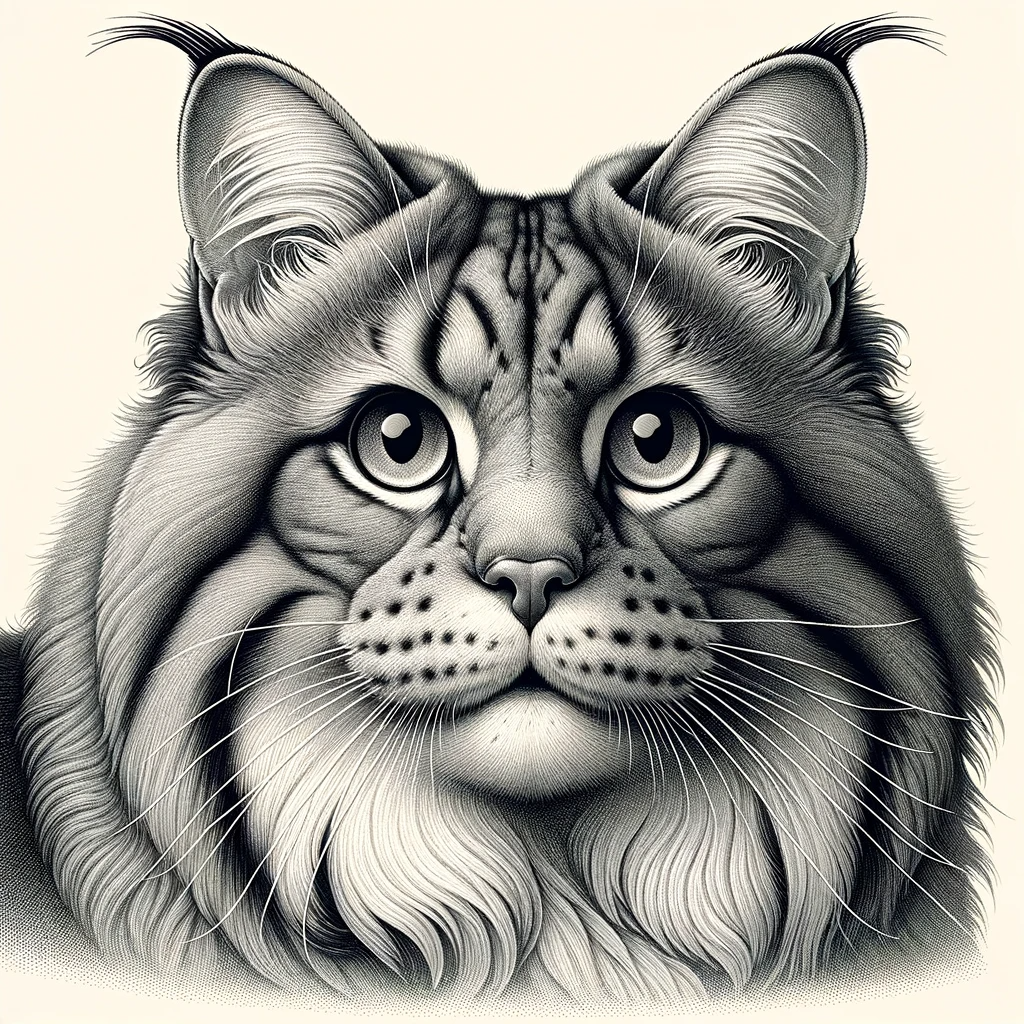
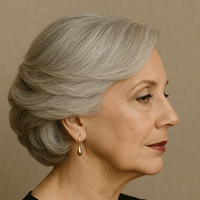
We also conducted an experiment where we asked an artificial intelligence to draw a Maine Coon based on the description from the international feline organization FIFe. However, we did not tell the AI which breed it was drawing. The result was simultaneously similar and yet not quite accurate.
The first records of Maine Coons date back to 1861. The breed was recognized by the FIFe organization in 1982.
In fact, the breed is quite ancient. Over nearly 300 years of its development, it has not changed much externally. Maine Coons naturally formed in the natural conditions of the North Atlantic coast of the USA (in the state of Maine), and then selective breeding brought them to their current appearance.
Maine Coon Cat Size: How Big Do They Get?
Much is made of the Maine Coon’s fabled size. But breed standards simply call for a large, well-balanced cat — not giants. The biggest Maine Coon on record weighed 35 lbs, though that cat was obese. Healthy show winners are certainly big, but not that big. As mentioned, males typically run 15-25 lbs, while females are 10-15 lbs. The dramatic size difference stems from testosterone levels, which drive larger frames in males. In contrast, high testosterone is undesirable for reproductive females.
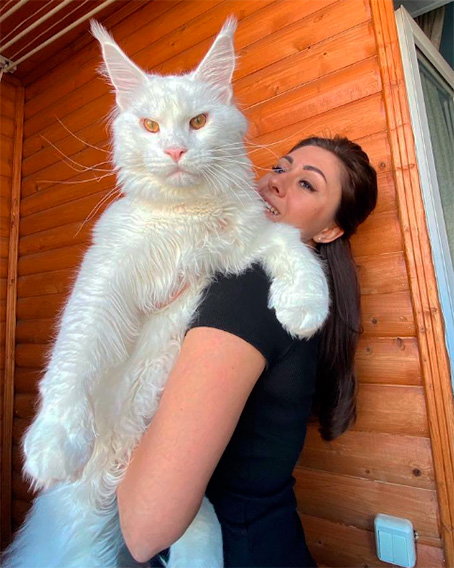
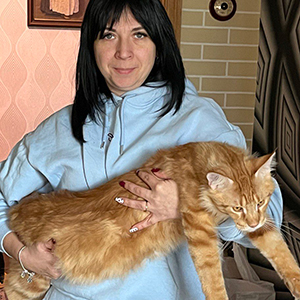
Those online photos of Maine Coons appearing human-sized? Those are just clever camera angles and positioning tricks. A Maine Coon may be a big cat, but not that big! That said, there is a recent global trend toward larger average Maine Coon sizes. In Europe, however, the breed seems to be downsizing a bit, with many adult males in the 12-15 lb range these days.
Maine Coon Cat Coat Colors
Part of the Maine Coon’s striking appearance is their wide array of coat colors and patterns. The classic tabby pattern was likely closest to their origins. But even in their early development, solid colors like red, cream, and white emerged too. Today, Maine Coons offer one of the most diverse ranges of any breed, rivaled only by breeds like the Scottish Fold and Persian.
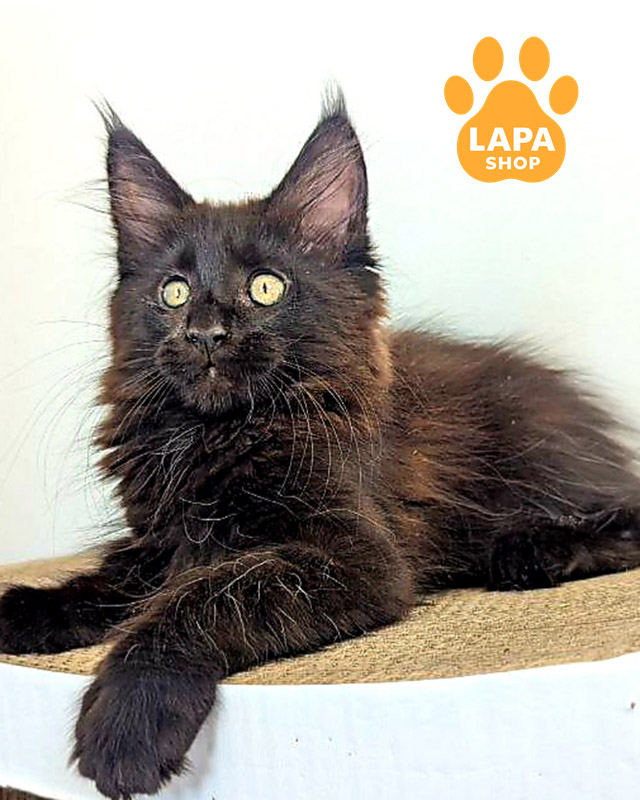
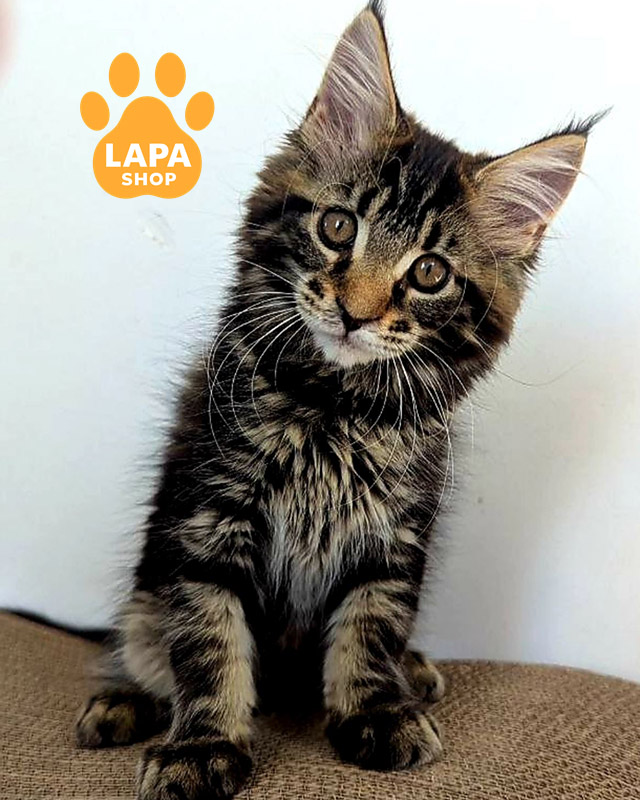
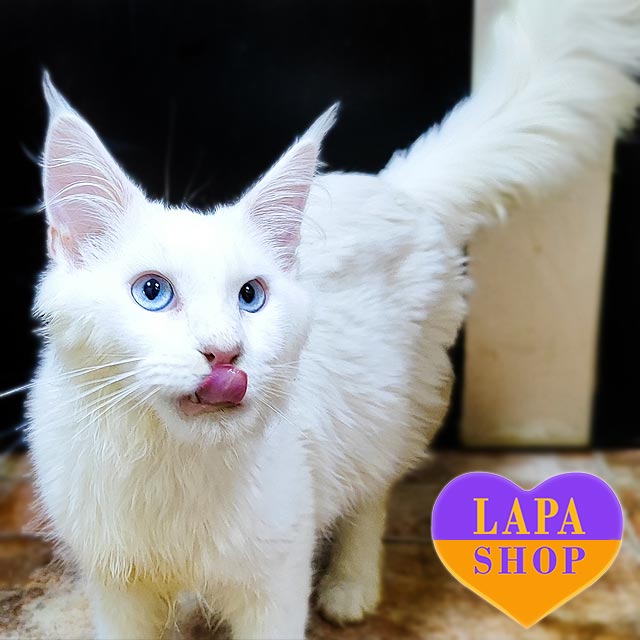
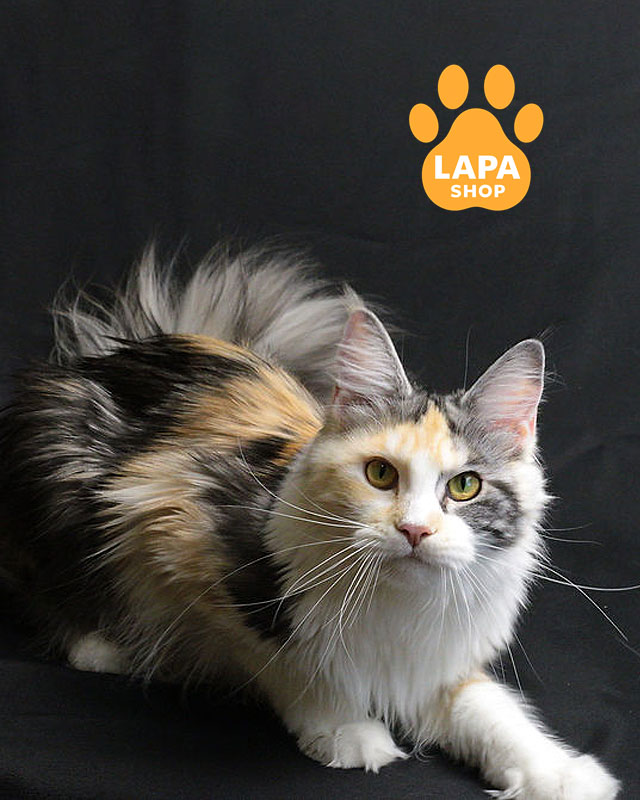
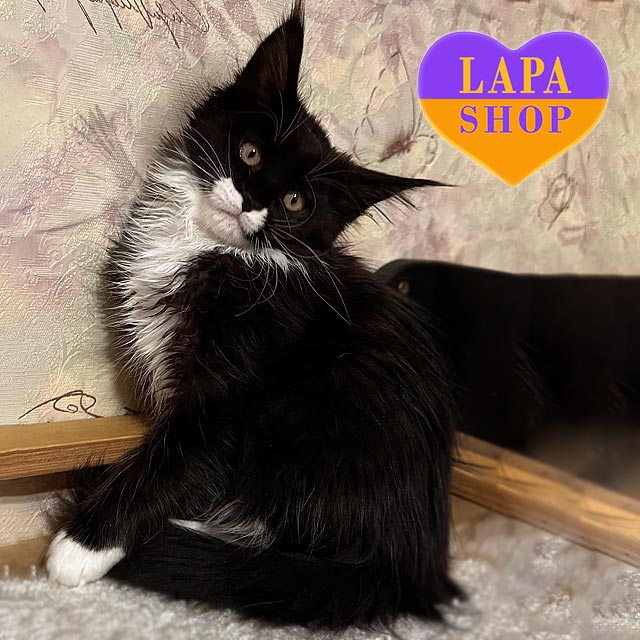
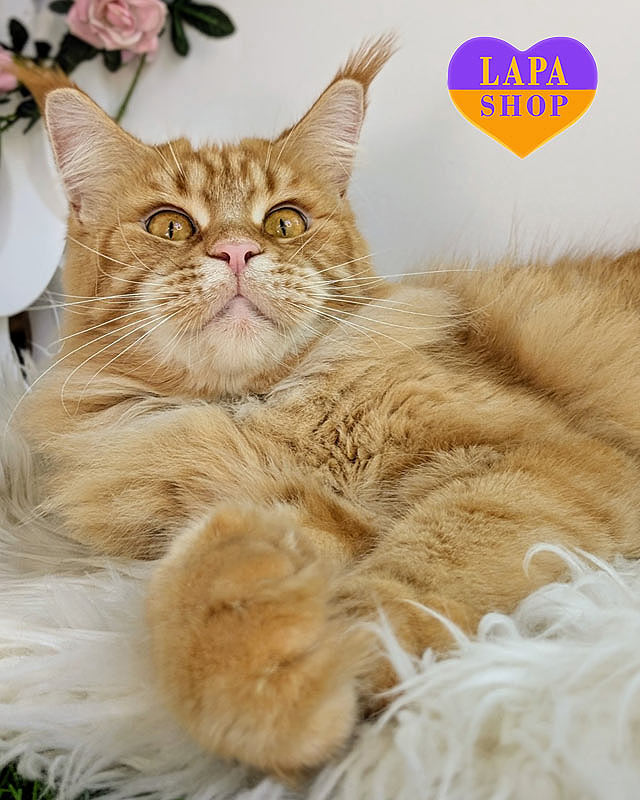
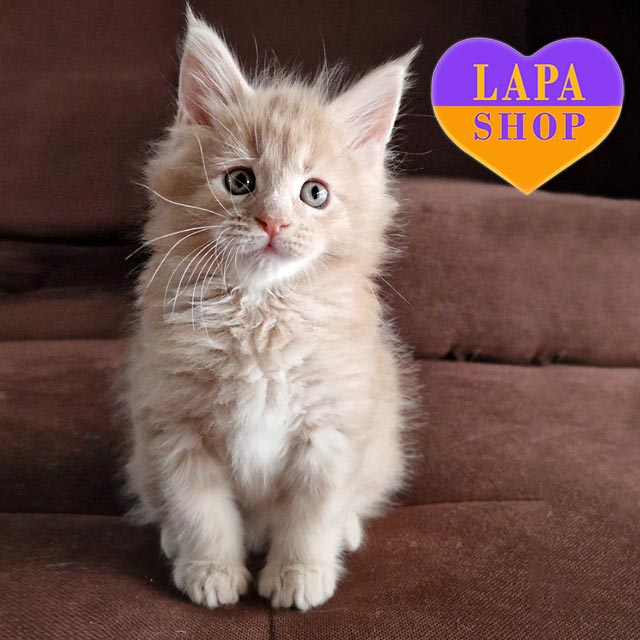
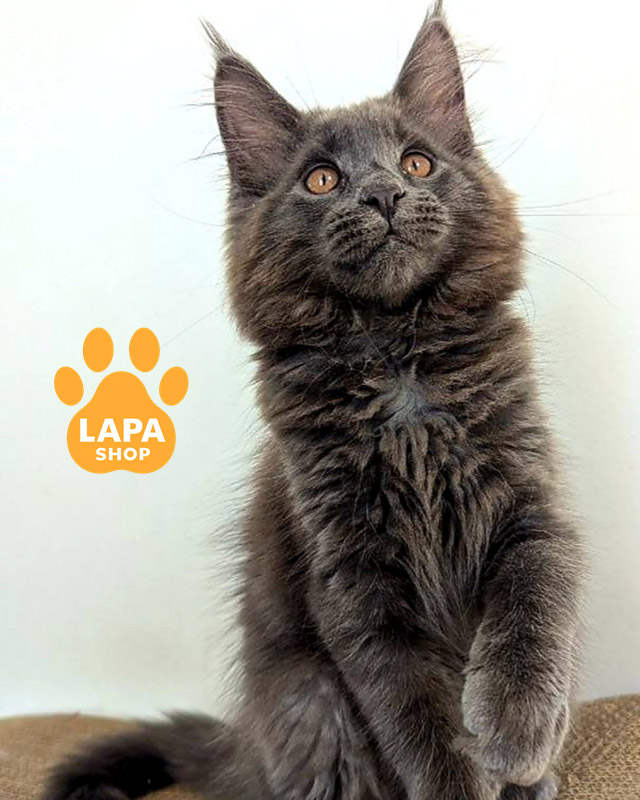
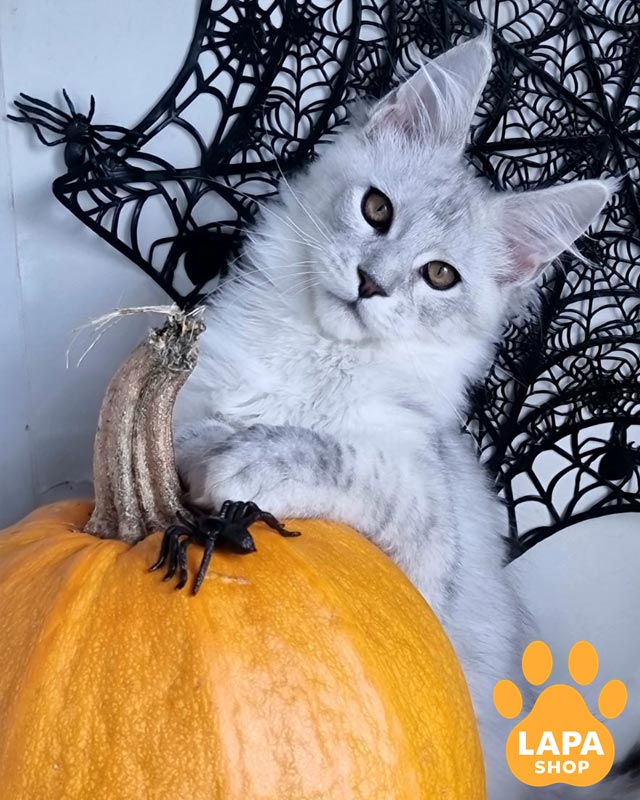
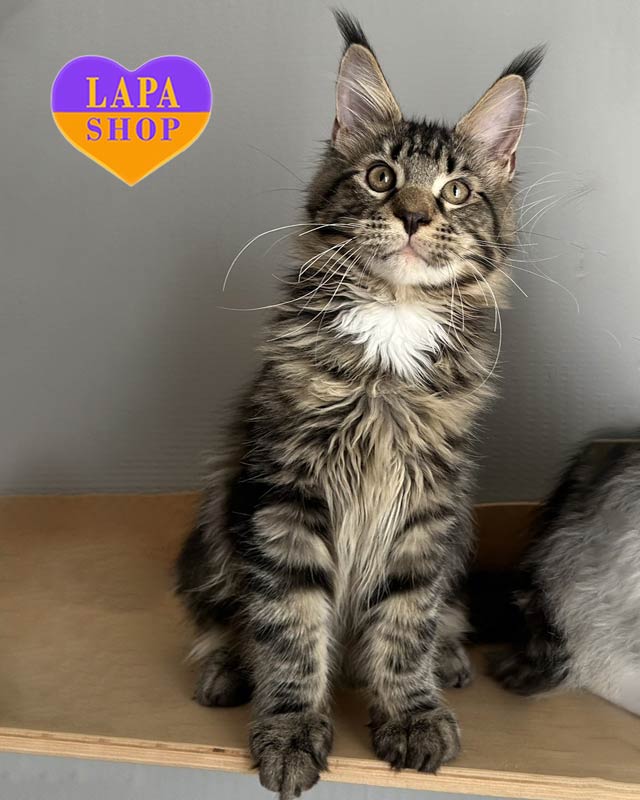
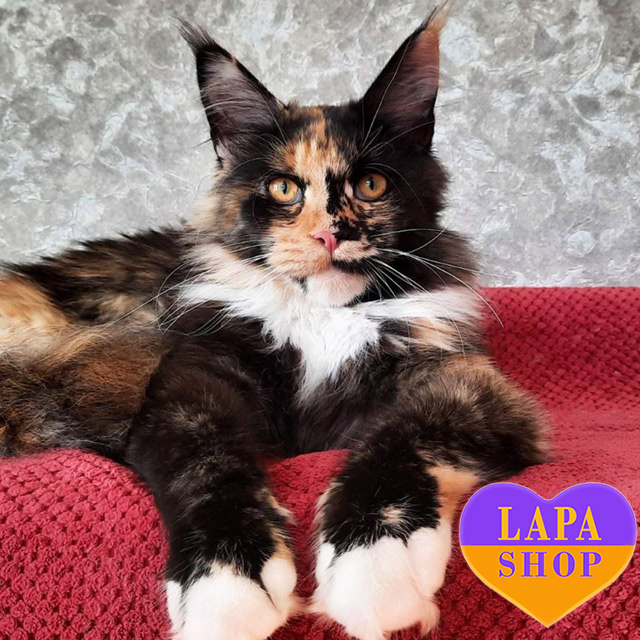
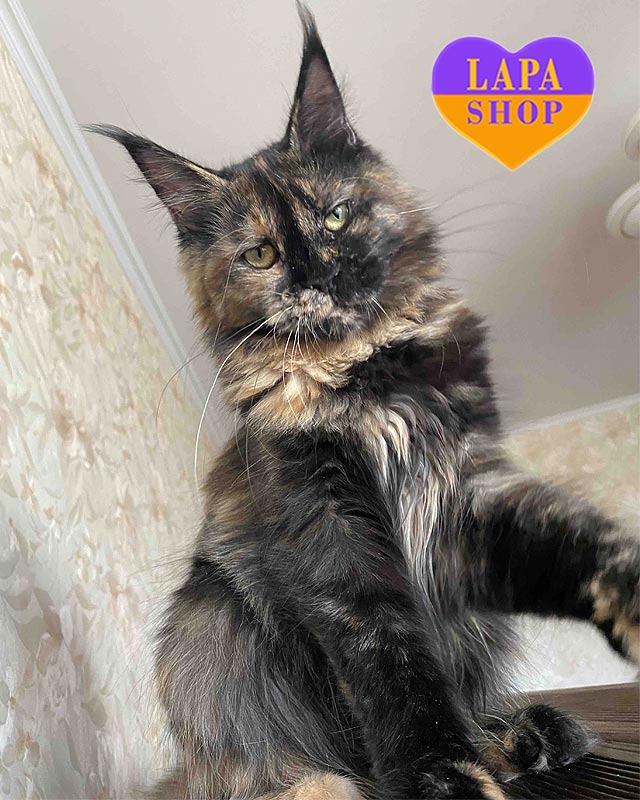
Which is the most eye-catching? That’s for you to decide! The tabby patterns are most traditional, while solid black and smoke Maine Coons have an undeniable mystique. Fiery red Maine Coons are radiant showstoppers. And pure white Maine Coons are regal beauties — though their coats do require more upkeep.
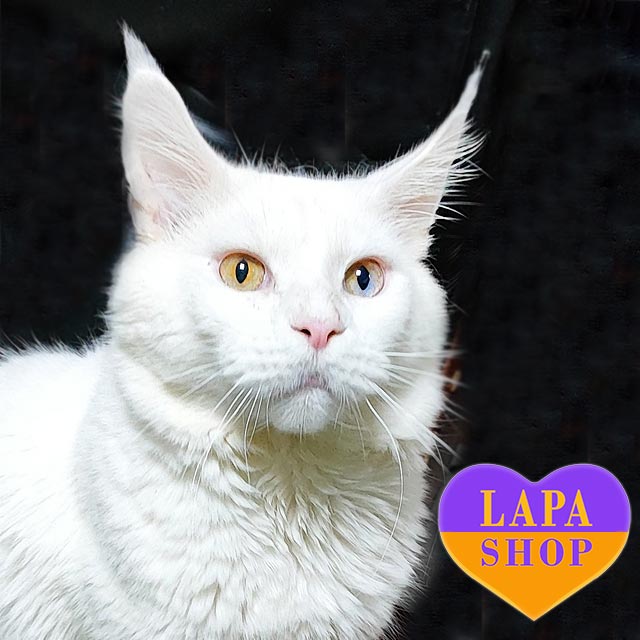
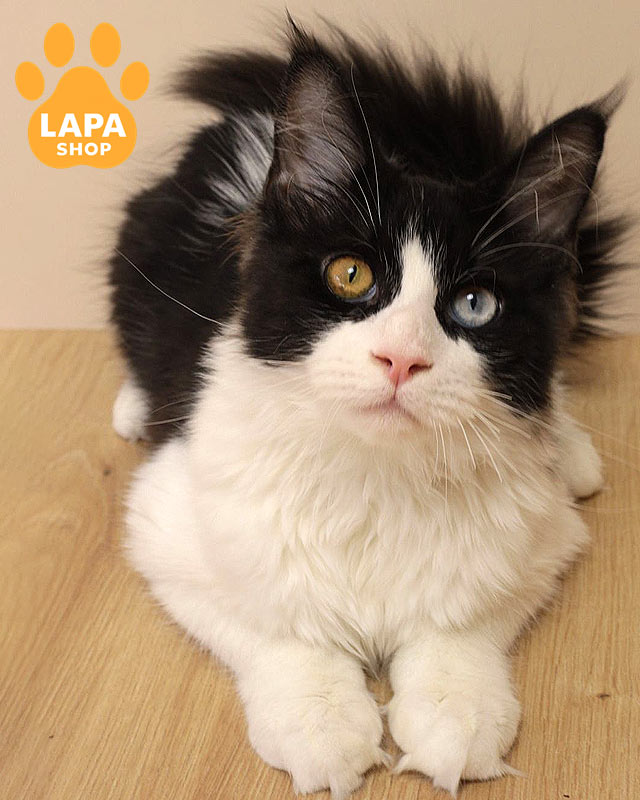
Eye colors range from gold to green, with some white Maine Coons and bicolors developing striking blue or odd eyes. Some breeders are even working to establish lines of blue-eyed and odd-eyed Maine Coons.

Maine Coon Cat Types: American vs European Lines
There are two general types of Maine Coon: the heavier-boned American type truer to their rugged origins, and the slightly leaner, more refined European type. Place them side-by-side, and you might think they were separate breeds!
But both fit within the breed standards and are considered 100% Maine Coon. American breeders sometimes frown on the Europeans “changing” their breed. But there are Americans who appreciate the European lines’ bolder facial features too.
American breeders actively purchase cats in Europe, especially since they cost 2-3 times less than in the USA, while the quality is not inferior.
Maine Coon Polydactyl Cats
A historical trait of the Maine Coon is the tendency toward polydactyly — having more than the normal 18 toes! This genetic quirk helped the breed’s ancestors more easily navigate snowy terrain. While discriminated against in some breeds, polydactyl Maine Coons are fully accepted by most organizations.

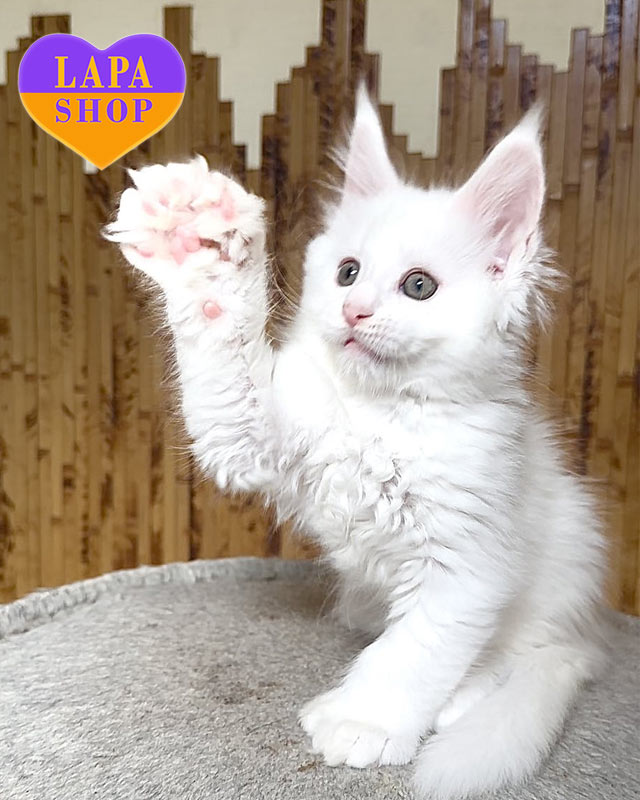
Different mutations result in various polydactyl patterns — from extra toes on all four feet to just one foot affected. Breeders may breed polydactyl lines to produce litters of these special “gremlin” kittens for buyers seeking that trait.
How to Distinguish a Maine Coon?
At Lapa.shop, customers often ask how to visually identify a purebred Maine Coon. Everyone immediately thinks of the tufts on the ears and considers this an undeniable proof of the breed. However, as we have already said, ear tufts are not a mandatory feature. A large body with a strong skeleton and long fur can also be found in ordinary street cats, from which Maine Coons are descended. Unfortunately, this is often exploited by unscrupulous breeders and scammers who pass off alley cats as Maine Coons.
A layperson can never distinguish a purebred Maine Coon by eye. If you are not a professional, then the only proof of the breed for you is the pedigree certificate issued for the kitten, or the pedigrees of its parents if the kitten’s documents have not yet been formalized. In the pedigree, under the “Breed” section, it should be written: MCO. This is the international designation for the Maine Coon breed. However, pedigrees and certificates are sometimes forged.
A pedigree or certificate can be verified for authenticity through a club. Moreover, if the seller has pedigrees for the parents but says the kitten will not have a pedigree, this is a cause for concern: perhaps the parents are not certified for breeding.
Maine Coon Personality: Are They Good Family Cats?
For all their striking looks, Maine Coons are ultimately known for their sweet, gentle dispositions. Some key Maine Coon personality traits:
- Laid-back, not overly active
- Social and outgoing.
- Highly intelligent
- Affectionate and loving
- Patient and tolerant
- Soft-spoken but not silent
- Well-suited for the elderly or families with children
- Generally get along well with other pets
While kind-natured, Maine Coons occasionally have more independent or reserved personalities. As long as they aren’t outright aggressive, this isn’t necessarily a bad thing. Reputable breeders do select for pleasant temperaments though, so truly aggressive Maine Coons are very rare.
Not all Maine Coons enjoy being lap cats either. Some prefer just snuggling up beside you. Be sure to ask breeders about the dispositions of their litters.
Maine Coons are often described as “dogs of the cat world” for their social, friendly demeanors and ability to be trained. They get along splendidly with kids and families, making them a wonderful family pet. Many owners keep pairs or trios to provide companionship when no one is home.
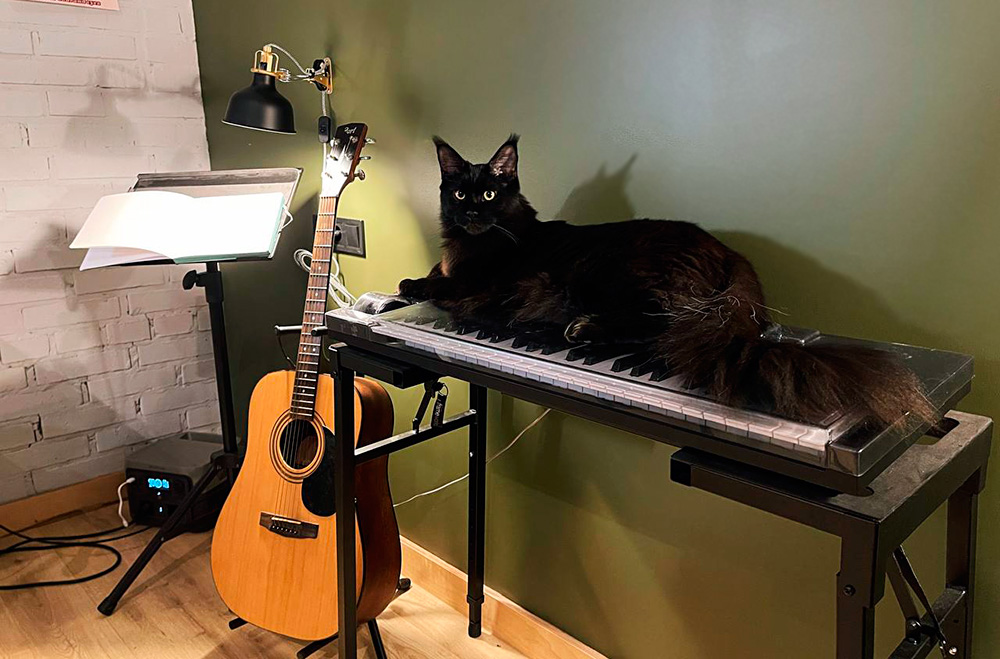
While this breed adores their people, Maine Coons were originally designed to be expert hunters and ratters. Their size, stealthy paws, and large ear funnels make them formidable rodent-patrol! Most love playing in water too.
When it comes to environmental needs, Maine Coons appreciate vertical spaces for climbing, perching, and stretching. Cat trees and shelving give them ample opportunity, even in smaller homes.
Their thick, water-resistant coats do require weekly brushing and the occasional bath during seasonal sheds to stay looking their best. Otherwise, grooming needs are relatively easy. Just be sure to provide them with adequately sized food and water bowls to accommodate those big muzzles and appetites!
Maine Coons are also prone to some skeletal abnormalities, so juvenile diet is important. Many breeders supplement with calcium, vitamins, and joint supplements.
Most Maine Coons love water. Just look at what the famous Maine Coon Fisher is up to.
Should You Get a Maine Coon?
For the right family, Maine Coons make wonderfully loving, gentle companions. Their dog-like personalities suit them to families and multi-pet households. Their even temperaments and smarts make Maine Coons a famously easy breed to care for and enjoy.
The main considerations are their larger size and grooming needs. But if you have the space and don’t mind a little extra brushing, the Maine Coon could be your ideal feline friend! Why not explore Maine Coon kittens for sale from reputable breeders?
Many also ask about the coat of Maine Coons and how to take care of it. Maine Coon fur is double-layered — with a coarse guard hair and a dense water-repellent undercoat. During the summer, due to heavy shedding, Maine Coons lose their undercoat. Yes, the breed sheds a lot. The fur is soft and flowing, not prone to matting, but tends to form icicle-like clumps if not brushed regularly. Then, the luxurious ruff around the neck turns into a mess that is unpleasant to look at. Therefore, we recommend thoroughly brushing a Maine Coon at least once a week.
Overall, caring for a Maine Coon’s coat is not difficult, but it does require regular maintenance. It’s beneficial not only to brush these cats but also to bathe them during the period of changing their coat — 1-2 times per shedding period. Otherwise, your cat will not look as splendid as it could. Bathing eases the shedding process and the fur does not shed as much. However, it is preferable to have professional grooming as it is more effective.
The Pros and Cons of Maine Coon Cats
Now let’s explore some of the biggest pros and cons of the Maine Coon breed.
Maine Coon Lifespan: How Long Do They Live?
Potential owners wonder about the Maine Coon lifespan. Unfortunately, Maine Coons are not particularly long-lived as a breed. Their massive bodies place more strain on their hearts over time. They typically live 10-13 years on average, though many make it to 15+ with proper care.
To maximize longevity, Maine Coons should maintain a lean, healthy weight through proper diet and exercise — but avoid free-roaming outside. Spaying/neutering, minimizing stress, and regular veterinary check-ups are also important.
Maine Coon Health Issues
Maine Coons are a generally sturdy breed when well-bred, but do have some inherent health concerns common to larger cats. The most prevalent is cardiomyopathy (heart muscle changes). Some genetic markers are known, but heart screenings are still recommended from age 2 onward, especially for breeding cats.
Other potential issues include skeletal abnormalities, polycystic kidney disease, spinal muscular atrophy, and pyruvate kinase deficiency. Reputable breeders do genetic testing for these where possible to prevent passing them to offspring.
Carefully bred Maine Coon kittens do cost more due to this screening, but it’s better to get a healthy kitten from a conscientious breeder upfront.
What Maine Coon Owners Are Saying
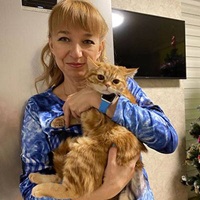
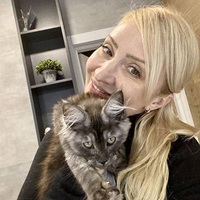
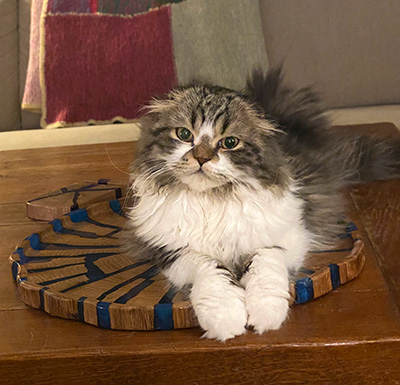
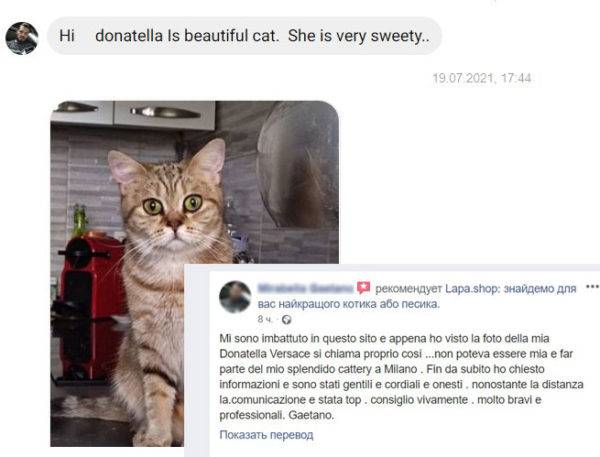
Here are some reviews from satisfied Lapa.shop customers about their well-bred Maine Coon cats and kittens. Just keep in mind these reviews only reflect Maine Coons purchased from reputable breeders.





Maine Coons: available today on Lapa.shop

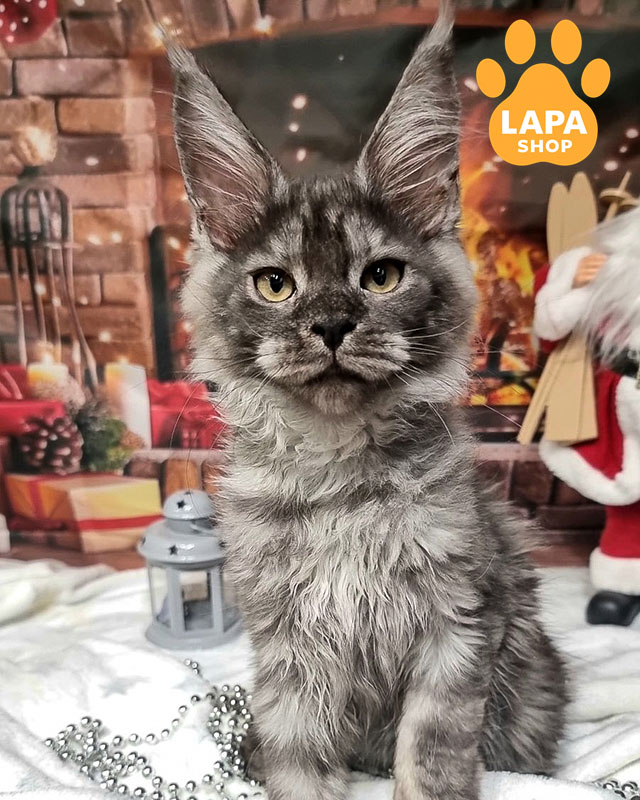
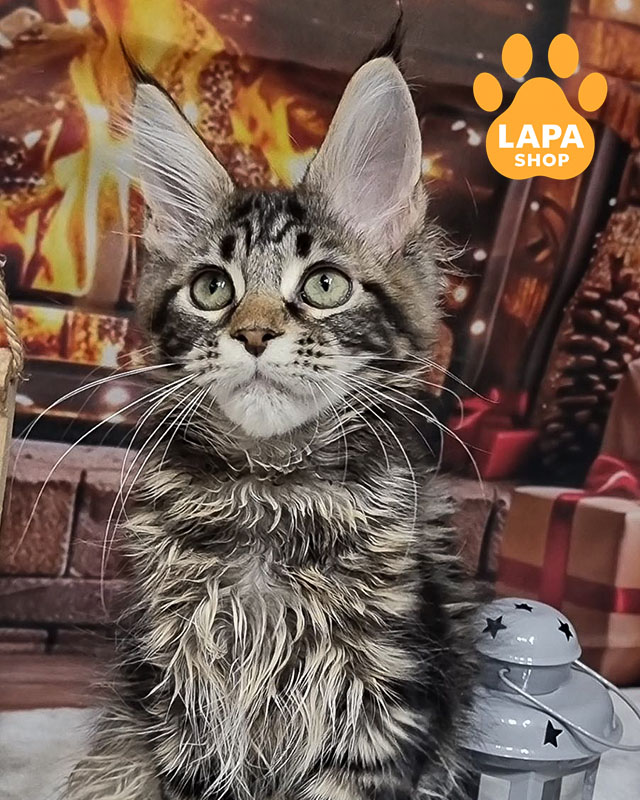
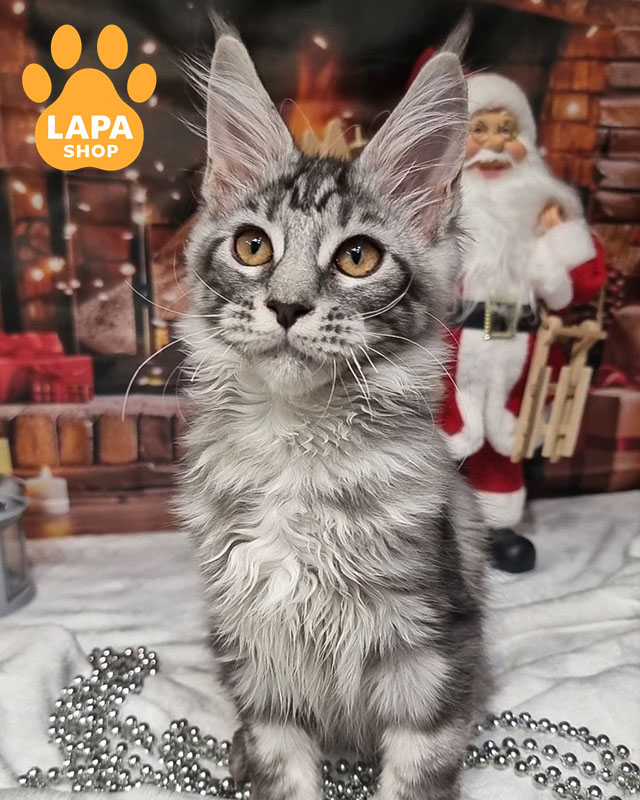
Breeds Similar to Maine Coons
If you love the Maine Coon look and personality but want to explore other options, check out these similar breeds.
Siberian
Another large semi-longhair. Often calmer but still affectionate.
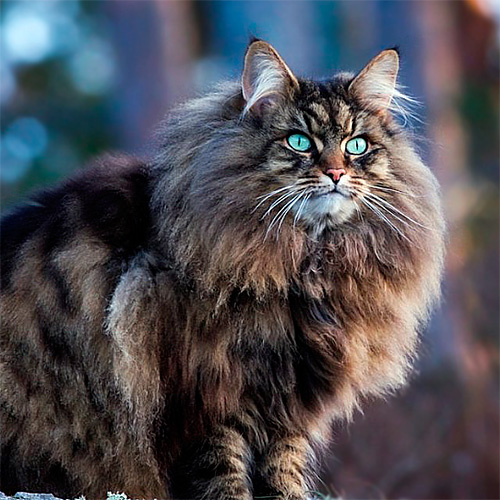
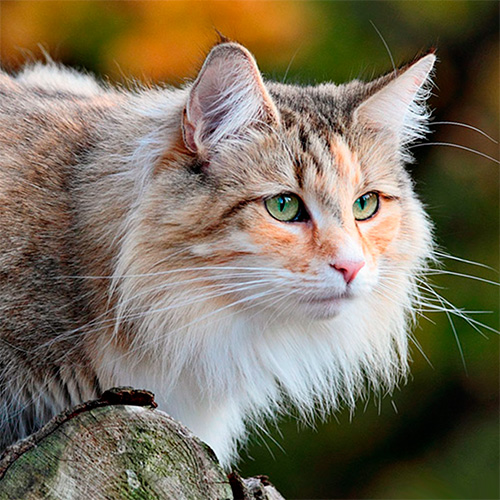
Norwegian Forest Cat
Robust, self-sufficient hunters with perfectly balanced facial features.
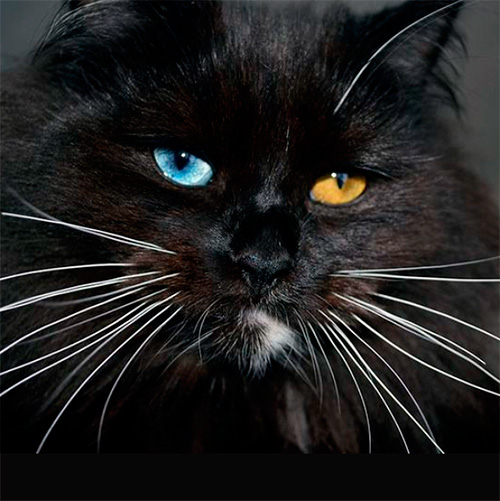
Ukrainian Topaz
An experimental breed using Maine Coon lineage to create a solid black cat with blue or odd eyes.
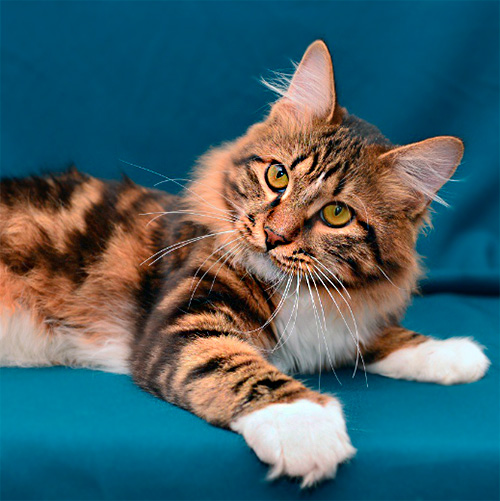
Kurilian Bobtail
A naturally occuring breed from Kuril islands — large, intelligent, dog-friendly. And with a quirky pom-pom tail.
The information about Maine Coons was prepared for you by Kate Yugosh — co-founder of the Lapa.shop website, felinologist and editor of the cat website Murkotiki.

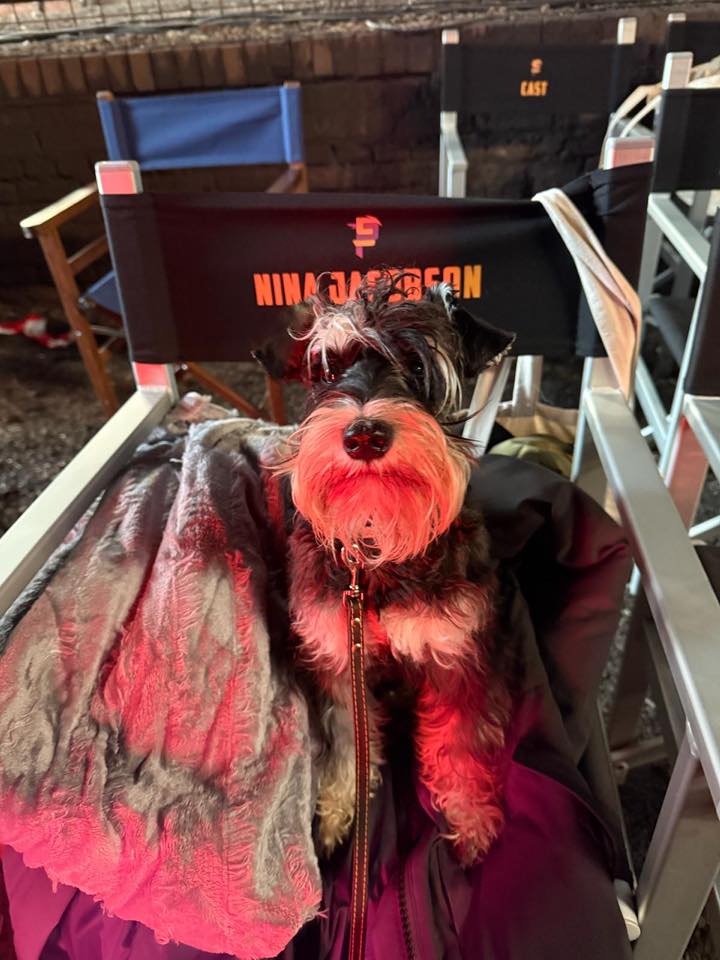



 We 100% recommend lapa.shop!


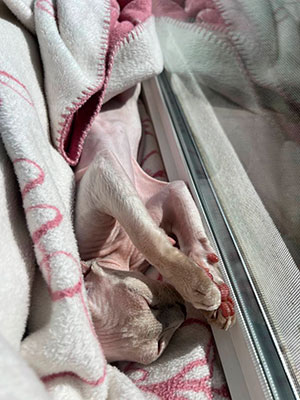


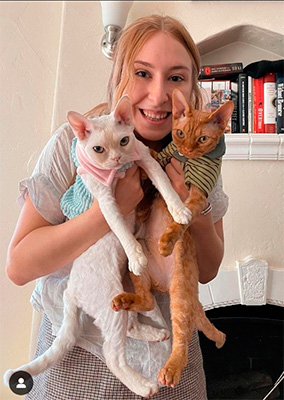
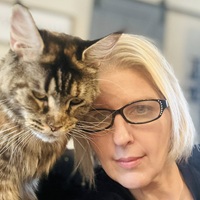



 . It's very friendly with other family members too, lies in laps, and cuddles, but with its person, it's a whole different level

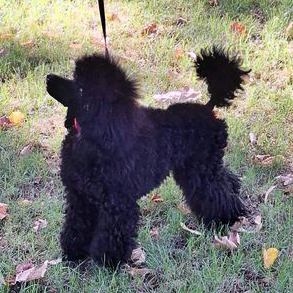




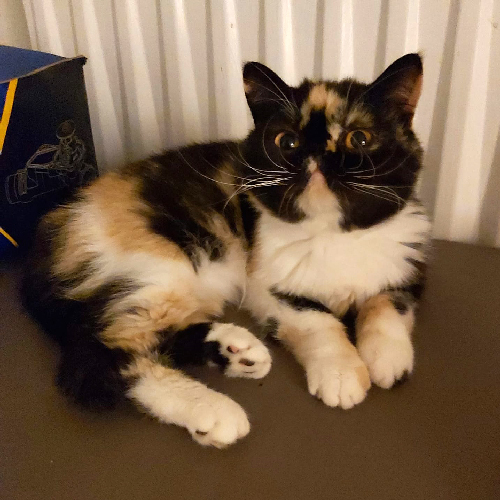


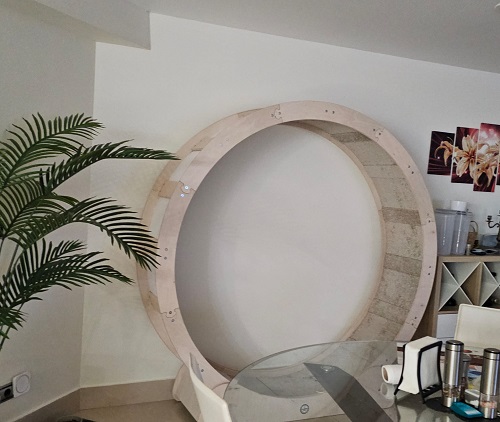



 My husband and I were looking for a black Mittelschnauzer, and we accidentally came across this service, and now we have another family member
  . The expert's communication is top-notch; I still periodically chat and consult with them on some issues. An exceptionally pleasant, intelligent person with a huge heart and love for pets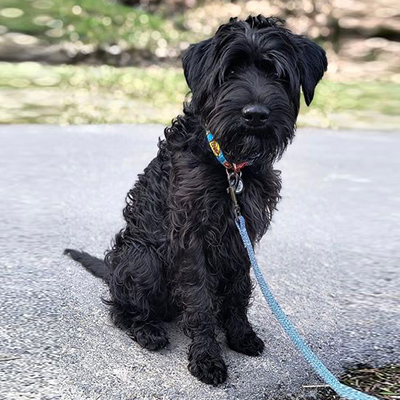







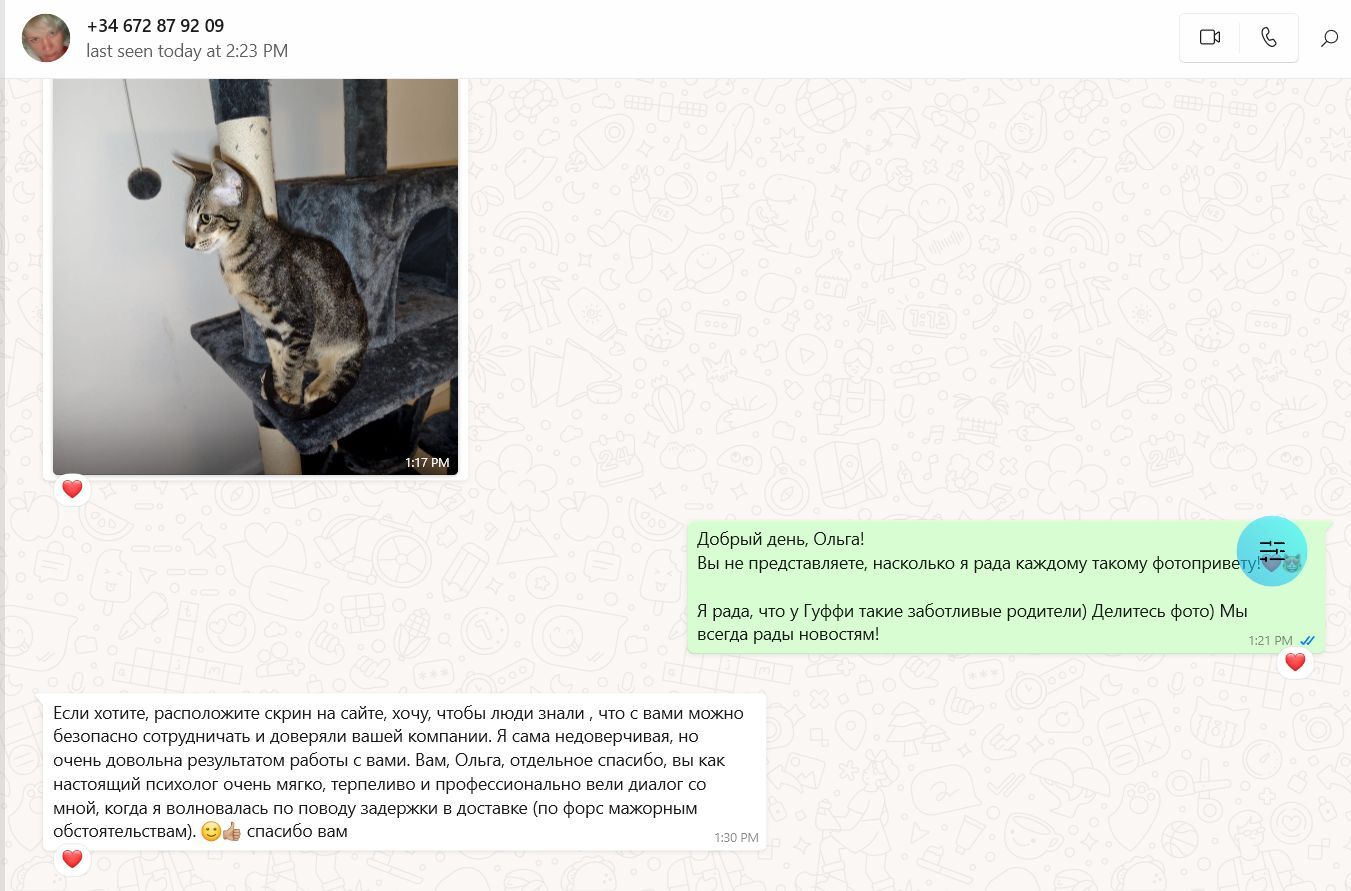

 Super
Super  Merci beaucoup






 ! They helped me along the whole process from reserving the kitten to securing reliable transportation. I definitely recommend them as a reliable place to get your pedigree pet! Keep in mind that payments on the website are in Ukrainian currency so if you pay with euro/dollars, there will be an exchange fee. Other than that, everything is clear and straightforward, I’m very glad I decided to go with lapa.shop!

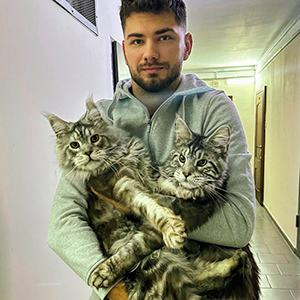








 . Thank you














 .
.